
Your Guide to a Smooth Move in a Central Florida HOA Community
Moving into a new home in one of Central Florida’s beautiful, master-planned communities is an exciting milestone. You’ve found the perfect place, whether it’s in Lake Nona, The Villages, or another pristine neighborhood, and you’re ready to start the next chapter. But before the first box is packed, there’s a crucial detail many families overlook: the Homeowners Association (HOA) moving regulations. These rules, designed to keep the community safe and orderly, can create unexpected challenges if you’re not prepared. Don’t let logistical hurdles dampen your excitement. At Mitchell's Moving, we have years of experience navigating the specific requirements of local communities. This guide will walk you through everything you need to know for a seamless, stress-free moving day that complies with all the rules.
Understanding Why HOAs Have Moving Rules
It might seem like just another layer of red tape, but HOA regulations for moving exist for good reason. Their primary goal is to minimize disruption for your new neighbors and protect shared property, which ultimately protects your investment in your new home. Understanding the “why” behind the rules can make them much easier to navigate.
Common HOA moving rules often include:
- Restricted Hours and Days: Many associations limit moving activities to specific windows, such as 9 a.m. to 5 p.m. on weekdays, and may prohibit moves on Sundays or holidays to preserve peace and quiet for residents.
- Designated Parking: To prevent traffic jams and ensure emergency vehicle access, HOAs typically have strict rules about where a large moving truck can park. This might be a specific loading zone or a designated side of the street.
- Protecting Common Areas: If you’re moving into a condo or townhome, you’ll likely be required to protect shared spaces. This can include reserving an elevator and ensuring your movers use padding in hallways and protective coverings on floors.
- Gate Access Procedures: Gated communities require advance notice to grant access to your moving crew. You may need to provide the moving company’s name and vehicle information to security ahead of time.
Your Pre-Move HOA Checklist: A Step-by-Step Plan
Proactive communication is the single most important factor in a successful HOA move. Waiting until the last minute can lead to delays, fines, or even being denied entry on moving day. Follow these steps to ensure you’re fully prepared.
1. Contact the HOA or Property Manager Early As soon as your closing date is set, reach out to the HOA board or property management company. Introduce yourself as a new resident and ask for a copy of the moving-in procedures. Doing this at least two to three weeks in advance gives you plenty of time to coordinate.
2. Ask the Right Questions Don't be shy about getting specifics. Having clear answers will prevent any misunderstandings. Here’s a list of essential questions to ask:
- What are the approved days and hours for moving?
- Are there any size or weight restrictions for moving trucks?
- Where is the designated parking area for our moving truck?
- Do we need to schedule access through a security gate?
- Is it necessary to reserve a freight elevator or loading dock?
- Does our moving company need to provide a certificate of insurance to the HOA?
3. Share the Information with Your Movers Once you have the rules, pass them along to your moving company. An experienced, professional mover will know exactly what to do with this information. They can ensure they dispatch the right size truck, schedule their crew to arrive within the approved timeframe, and bring the necessary equipment like floor runners and door jamb protectors. This simple step transforms potential problems into a well-executed plan.

How a Professional Moving Company Makes All the Difference
Navigating HOA regulations is where hiring a reputable, local moving company truly pays off. While a budget mover might offer a lower price, they often lack the experience and professionalism to handle the unique demands of a deed-restricted community. This can put you at risk for property damage and HOA violations.
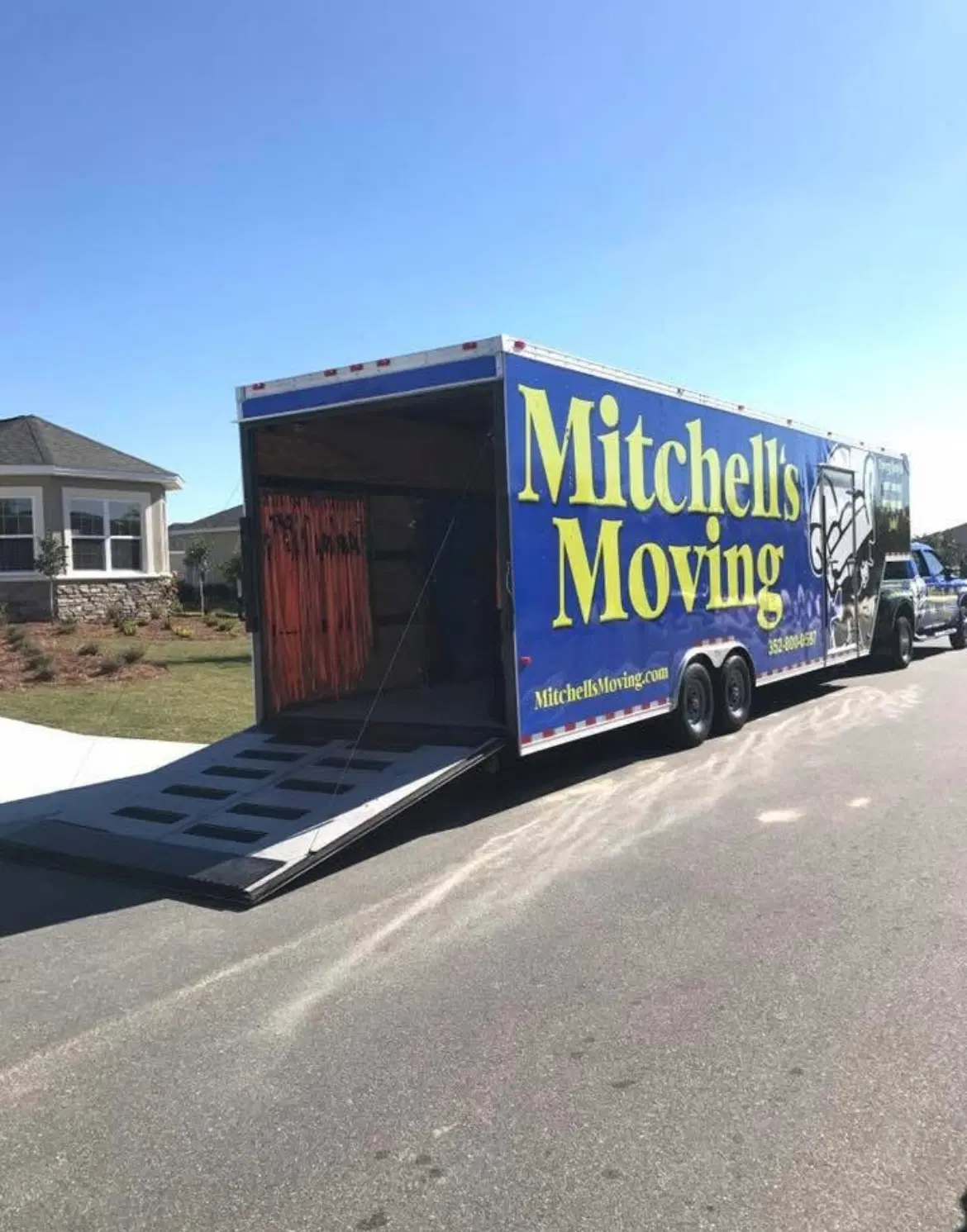
A professional team like Mitchell's Moving brings peace of mind. We are deeply familiar with the logistics of communities throughout Central Florida. Our crews understand the importance of punctuality, especially when working within a tight time window. We operate a fleet of clean, well-maintained trucks of various sizes to comply with parking and access restrictions.
Most importantly, our commitment to careful handling extends beyond your belongings to your new community. Our full-service moving options include everything needed to protect the property, from padding elevators to protecting floors and walls. As a fully licensed and insured company, we provide the necessary documentation to satisfy even the strictest HOA requirements, ensuring your move starts on the right foot with your new neighbors.
Start Your New Chapter with Confidence
Moving into an HOA community doesn’t have to be complicated. With a little advance planning, clear communication, and the right moving partner, you can ensure your move-in day is as smooth and welcoming as your new neighborhood. By respecting the community’s guidelines from day one, you’re not just moving your belongings—you’re building a great reputation with your new neighbors.
If you're planning a residential move in Central Florida, let the experienced team at Mitchell's Moving handle the details. We’re experts in navigating HOA rules and providing top-tier service. Contact us today for a transparent, flat-rate quote and let us make your move a complete success.